
Case Study
Environment Monitoring System Upgrade For A Pharmaceutical R&D Facility
Overview
Silchester Control Systems recently supported a large pharmaceutical organisation with the upgrade of an Environment Monitoring System at one of its R&D facilities.
The existing system was based on a legacy Siemens PCS7 platform and had reached obsolescence. In a regulated pharmaceutical environment, this created both operational and compliance considerations, making the upgrade an important step in maintaining a modern, supportable and validated monitoring system.
Silchester was engaged for its experience in pharmaceutical environments, validated SCADA systems and industrial control architecture, supporting the transition to an AVEVA System Platform-based solution aligned with the client’s Environment Monitoring System standard.
Technical Architecture
The upgraded system was designed around a modern distributed architecture, replacing the legacy PROFIBUS arrangement with a PROFINET-based network.
The architecture included:
· Siemens S7-1500 PLC for PROD and VAL systems
· 5 Remote I/O panels using ET200SP hardware
· PROFINET-based network architecture replacing legacy PROFIBUS
· Integration into the client’s validated EMS SCADA platform
· Data integration with the client’s enterprise systems, including the client's enterprise historian
The system supports environmental monitoring requirements including temperature, humidity and pressure, with alarm management, historisation and reporting handled within the wider client ecosystem.
Silchester’s Scope
Silchester’s role focused on the field and control layers of the system, alongside integration into the validated SCADA environment.
This included the design and implementation of the Remote I/O panels, PLC software development and configuration, integration with the EMS system architecture, and support for the validation strategy using pre-approved system libraries.
Working within a GxP-compliant environment required a structured engineering approach, clear documentation and careful alignment with the client’s global standards. Silchester’s understanding of PLC, SCADA, networking and validation requirements helped support an efficient upgrade path while reducing unnecessary revalidation effort.
Factory Acceptance Testing
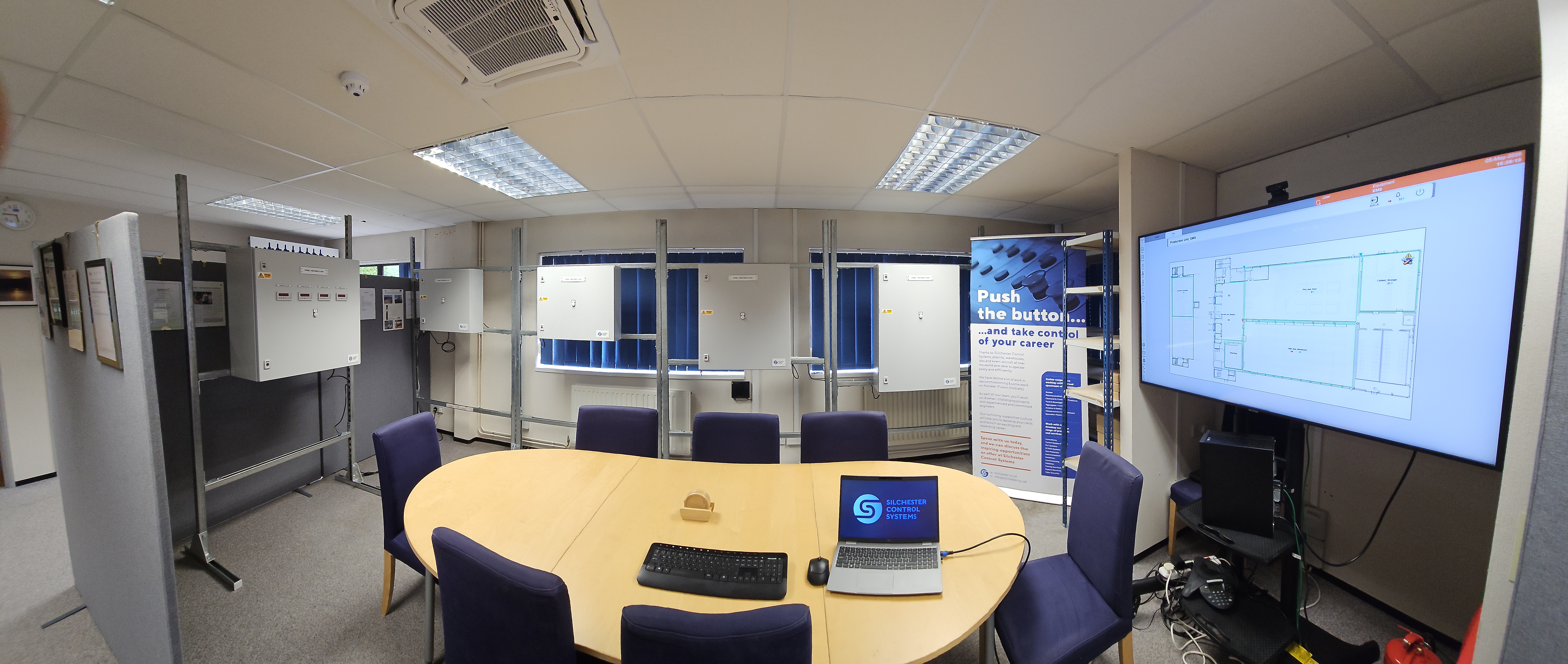
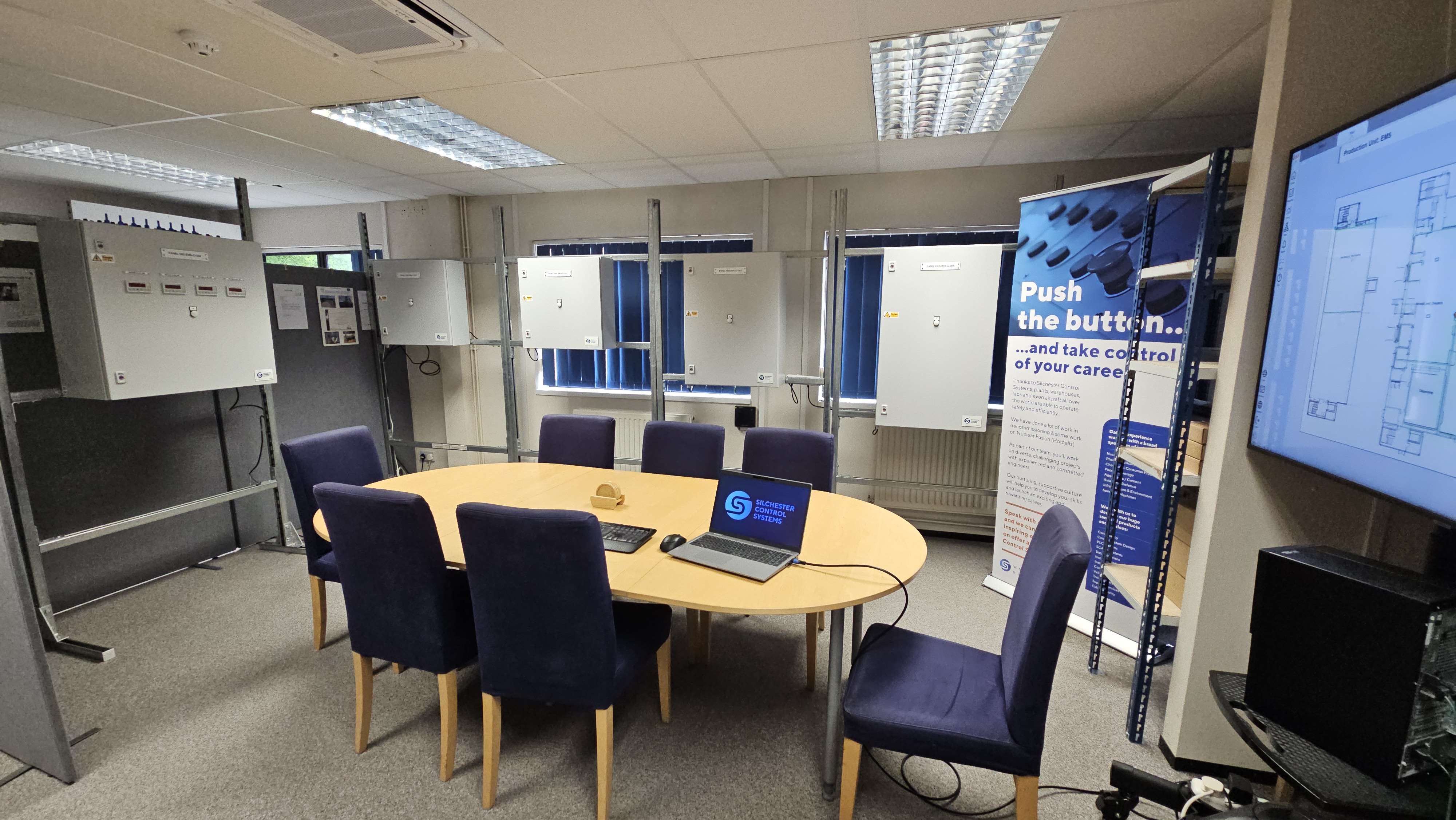
Silchester carried out a comprehensive Factory Acceptance Testing programme at its offices in Four Marks.
The FAT covered the Remote I/O panels, field signals, PLC logic, I/O mapping and integration between the PLC and EMS SCADA platform. Silchester also validated functionality outside the scope of the client’s pre-validated system libraries.
To support the FAT, Silchester developed a virtualised test environment using in-house infrastructure. This enabled key elements of the final system architecture to be simulated before deployment, helping to test integration points typically dependent on the client’s IT/OT environment.
This approach allowed system behaviour to be verified early, reduced commissioning risk and ensured signals and interactions were tested from field level through to the SCADA interface before installation.
Engineering And Validation Approach
A key part of the project was the hybrid validation strategy.
By using the client’s pre-validated Environment Monitoring System libraries alongside targeted validation of project-specific configuration and hardware, Silchester helped reduce the overall validation burden while maintaining the control expected in a pharmaceutical environment.
The documentation followed a full lifecycle approach, including Functional Specification and Hardware Design Specification documents.
Outcome
The project delivered a modern, supportable Environment Monitoring System platform aligned with the client’s global standards.
Silchester’s work provided fully tested Remote I/O and PLC systems prior to site installation, supported integration with the client’s validated AVEVA-based SCADA platform and created a structured foundation for IQ/OQ, site commissioning and final validation.
Following successful FAT completion, the project progresses to site installation of the Remote I/O panels, integration with the client’s IT/OT infrastructure, Site Acceptance Testing and final commissioning.
In regulated pharmaceutical environments, continuous environmental monitoring is essential. If monitoring data is unavailable or cannot be verified, products manufactured during the affected period may require additional investigation or assessment before they can be released, making system reliability and validated data capture critical.
Silchester Control Systems
Contact us to learn more about our solutions
Interested in how our expertise can benefit your projects? Get in touch with our team to discuss your specific needs and learn how we can help you achieve success through innovative automation and control solutions. Just give us a call or use the contact form, and we’ll be happy to assist you.


