

Why Legacy Control System Upgrades Are Critical in Chemicals & Consumer Products
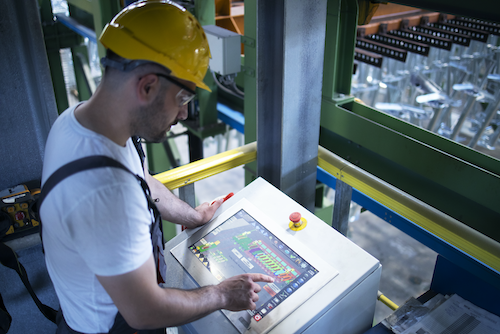
Walk into almost any chemical or consumer product facility today, and you’ll still find legacy PLCs and SCADA systems quietly running production lines. Some have been in place for 15, 20, or even 30 years. On the surface, these systems may appear reliable — “if it isn’t broken, don’t fix it.”
But in industries defined by safety, compliance, and continuous production, the risks of relying on outdated control systems are amplified. What looks like stability today can quickly become tomorrow’s bottleneck — or worse, a compliance or safety issue.
Why Legacy Systems Become a Problem
Spare Parts Shortages – Vendors often stop supporting older models, making replacement parts difficult (or impossible) to source.
Hidden Vulnerabilities – Outdated firmware and operating systems may lack modern cybersecurity protection.
Compliance Gaps – Regulatory requirements evolve, but older systems were never designed with today’s data logging, traceability, or validation needs in mind.
Skill Shortages – Fewer engineers are trained to maintain outdated platforms, increasing reliance on a shrinking talent pool.
Why This Matters More in Chemicals & Consumer Products
While every industry faces these challenges, they’re especially acute in chemicals and consumer products:
Stringent Regulations – Compliance with GMP, REACH, or 21 CFR Part 11 requires traceability and data integrity that legacy systems struggle to provide.
High-Risk Processes – Handling corrosive, toxic, or explosive substances makes robust automation a safety-critical necessity.
Continuous, Complex Production – Downtime isn’t just lost output — it can mean wasted raw materials, missed deadlines, and quality failures.
Layered Legacy Infrastructure – Facilities often grow over decades, leaving a patchwork of old and new systems that are hard to integrate.
Consumer & Supply Pressures – Rapid product reformulation, sustainability goals, and efficiency demands make agility essential — something legacy platforms can’t always deliver.
For these sectors, upgrading is less about chasing new technology and more about safeguarding compliance, protecting people, and staying competitive.
When to Consider an Upgrade
Frequent downtime or unexplained stoppages
Rising maintenance costs
New compliance requirements (e.g., data traceability)
Incompatibility with newer plant equipment or software
Growth plans requiring greater system scalability
If you’re seeing any of these signals, it may be time to build an upgrade roadmap.
How to Approach an Upgrade Strategically
Audit What You Have
Identify existing systems, their condition, and where obsolescence or reliability issues pose the greatest risk.
Prioritise by Risk
Focus first on systems critical to safety, compliance, and production continuity, or where vendor support is ending.Use a Phased Migration
Replace systems in stages to reduce disruption. Maintain interoperability between old and new platforms to keep production runningIncorporate Development and Simulation
Use offline development and digital twin simulation to design, test, and validate changes before deployment — reducing downtime and improving quality.Plan for the Future
Select scalable, open, and secure technologies that support long-term growth, integration, and future digital initiatives.
The Bigger Picture
Upgrading isn’t just about replacing old kit. Done strategically, it can:
Reduce downtime and maintenance costs
Strengthen compliance and traceability
Unlock new data-driven insights
Improve collaboration between operations, engineering, and IT teams
In other words, it’s not just a cost — it’s an investment in resilience and future-proofing your operation.
How Silchester Can Help
At Silchester, we’ve spent decades working with chemical and consumer product manufacturers to modernise control systems safely and efficiently. From phased PLC and SCADA migrations to compliance-driven upgrades, our engineers understand the pressures of regulated, high-risk environments.
We don’t just replace equipment — we design upgrade strategies that reduce risk, minimise disruption, and give you a platform for the future.
So, the big question for you:
How is your facility approaching the balance between maintaining legacy control systems and investing in upgrades? Get in touch and let's talk it through:
01420 561902


